 Celebrate with up to 80% off
ExpressMailGuard and Identity Defender pass Cure53 security audits


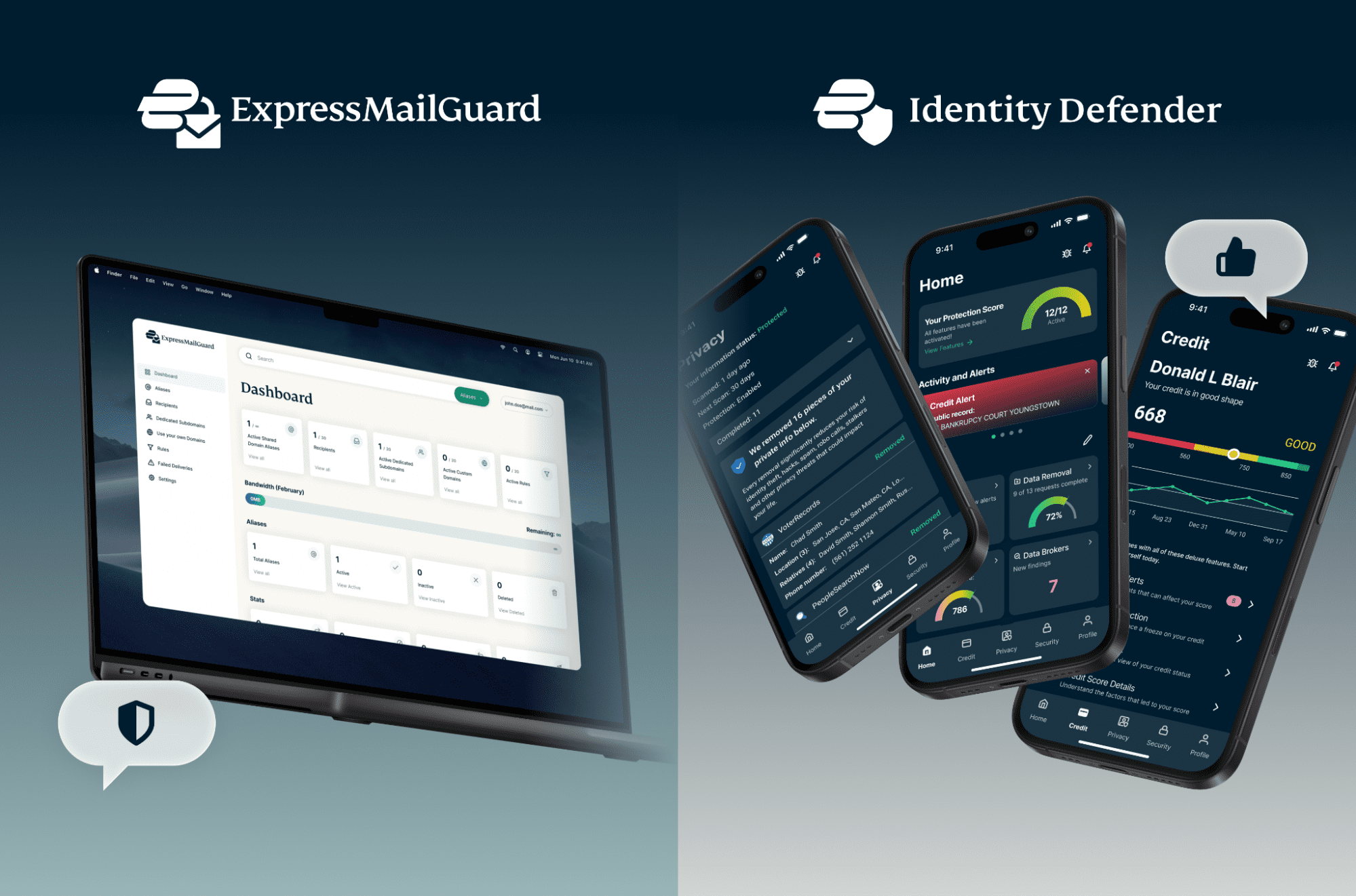
Independent researchers spent the past several weeks examining our standalone identity protection app and email relay service. Here’s what they looked at.
A privacy policy is a promise on a screen. We prefer privacy enforced by architecture and verified by people whose job is to break things. That's why we hand the source code for our products to independent researchers and publish what they find.
For ExpressMailGuard and Identity Defender, that work fell to Cure53—a Berlin-based cybersecurity firm known for white-box penetration testing that pulls no punches. They've audited our VPN protocol, our browser extensions, our router, our mobile apps, and our server infrastructure over the years. This time, we asked them to do the same for two products that handle some of the most sensitive information we touch: who you correspond with, and who you are.
Why we keep auditing
Independent third-party audits have been a core part of how we build and ship products for years. The products that handle user data (VPN protocols, a password vault, a server platform) get reviewed by external researchers, and the findings get published in full.
To date, ExpressVPN has commissioned and published more independent audits than any other VPN provider, covering everything from our Lightway protocol to TrustedServer to our no-logs policy. The two new Cure53 reports bring our published audit count to 27.
What ExpressMailGuard does, and what was tested
ExpressMailGuard gives you email aliases to hand out instead of your real address. When a service emails the alias, we relay the message to your real inbox. The service never sees your actual email; you receive the message either way.
The product is built on two promises: that mail isn’t retained on our servers after it’s relayed, and that the relay layer can't be used to build a profile of who you correspond with. Cure53 examined the web app, the routing logic, and the infrastructure that connects an alias to an inbox, looking specifically for ways those promises could break.

After eighteen days of testing, Cure53 concluded that ExpressMailGuard "demonstrated a relatively strong and mature security posture, with no Critical or High severity vulnerabilities identified." They found the architecture sound and the codebase resistant to the kinds of attacks that typically compromise web applications. Cure53 raised two vulnerabilities and eleven miscellaneous issues—weaknesses without a clear exploitation path. Our team worked through them in the weeks that followed, and Cure53 has formally retested and verified the fixes that have shipped.
What Identity Defender does, and what was tested
Identity Defender, available as a standalone app for U.S. users, watches for the signals that often appear before someone realizes their identity has been misused—new credit inquiries opened in their name, address changes they didn't request, personal information showing up in data-broker databases or breach lists. It also submits removal requests to data brokers on the user's behalf, automatically.
Because the app handles deeply personal information, Cure53 paid particular attention to how users authenticate, how the app handles personally identifiable information, and how it stores anything sensitive on the device.
Their conclusion, after fourteen days of testing across the iOS and Android apps, was that “the absence of any High or Critical severity findings reflects a solid overall security posture.” Cure53 raised seven vulnerabilities and four miscellaneous issues. Our team worked through them in the weeks that followed, and Cure53 has formally retested and verified the fixes that have shipped.
Where to read the reports
The full Cure53 reports, along with the rest of our audit history and ISO certifications, are published on the ExpressVPN Trust page.
You can also download each report directly:
- Download the ExpressMailGuard Cure53 Report
- Download the Identity Defender Cure53 Report
Privacy across the whole stack
Securing your digital life used to mean installing a firewall and moving on. It's a much wider job now: managing identities, credentials, the trail of data each app leaves behind, and increasingly the AI systems that touch all of it.
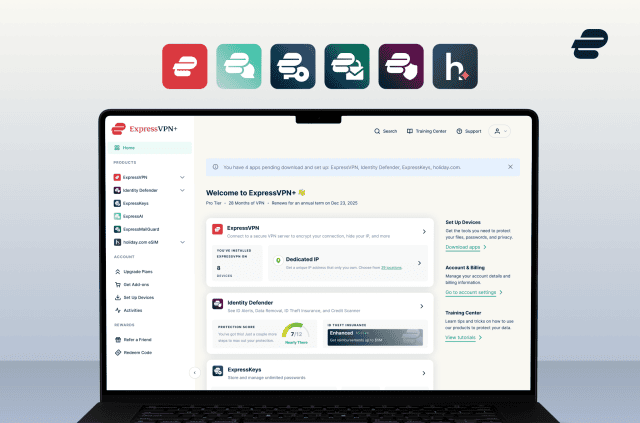
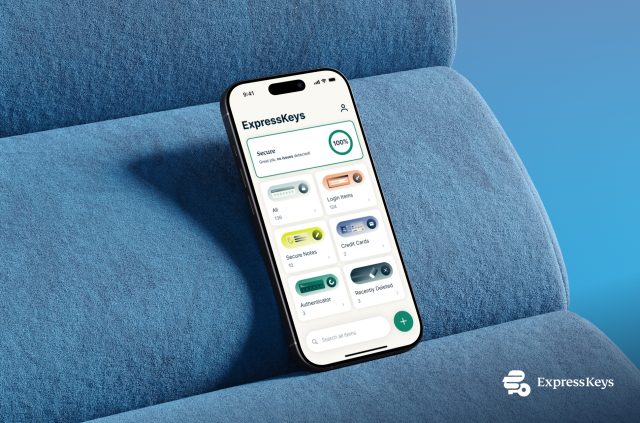
The Cure53 reviews of ExpressMailGuard and Identity Defender are part of how we're approaching that bigger job. An ExpressVPN subscription used to be a VPN. Today it's a set of five products built to work together: ExpressVPN for the connection itself, ExpressKeys for password management, ExpressAI for private AI, ExpressMailGuard for email aliasing, and Identity Defender for identity monitoring and data removal.
Each one gets the same independent scrutiny the VPN has had for years.